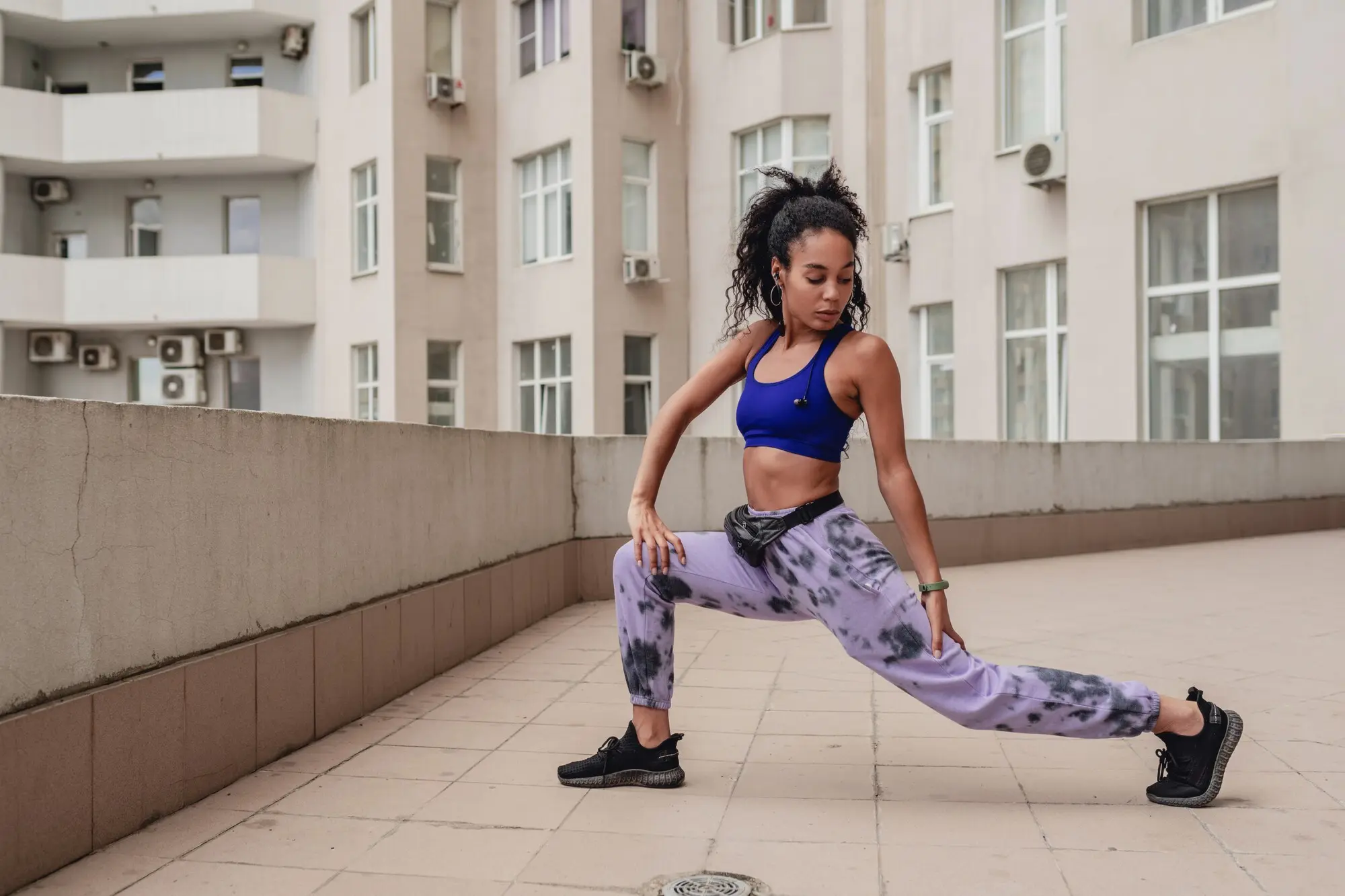
Flow With Purpose: Fabrics That Honor Your Practice

Today we explore sustainable fabrics for a versatile yoga wardrobe, celebrating materials that feel amazing in motion while treading lightly on the planet. From organic cotton and hemp to TENCEL Lyocell and thoughtfully sourced recycled fibers, discover how each choice supports breathability, stretch, durability, and mindful care so your practice, travels, and everyday errands align with values that extend far beyond the mat.

Materials That Support Movement and the Planet

Great practice pieces begin with fibers that respect soil, water, workers, and your skin. Organic cotton brings softness and calm, hemp offers strength and breathability, and TENCEL Lyocell delivers cool, silky drape. Recycled polyester and nylon add durability with a lighter footprint when managed responsibly. Understanding origins, processing methods, and blends helps you choose garments that flex, breathe, and endure, while leaving less waste and fewer emissions behind after countless flows.

Performance Without Compromise

Performance need not cost the earth. Breathability, four-way stretch, and supportive recovery are achievable with plant-based fibers, recycled synthetics, and smart construction. Anatomical seams, gussets, and high-stretch panels placed only where necessary reduce dependence on heavy elastane. Fibers like hemp and TENCEL Lyocell cool naturally, while recycled nylon panels might reinforce high-friction zones. The result is balanced performance: secure holds in inversions, freedom in hip openers, and soft landings in savasana.

Care, Repairs, and Circular Choices

A durable wardrobe is sustained in the laundry room and during quiet evenings with a needle and thread. Cool water and line drying protect fibers and cut emissions; wash bags and filters help catch microfibers. Reinforcement at high-stress seams extends life before replacements are needed. When parting with garments, responsible resale, donation, brand take-back, or fiber recycling keeps resources in circulation, honoring the intention behind every mindful purchase and practice.
Wash in cool water with gentle liquid detergent to preserve color and elasticity while reducing energy use. Skip fabric softeners that coat fibers and inhibit wicking. Line dry or tumble on low to protect stretch recovery. For recycled synthetics, use a microfiber-catching bag or external filter and avoid high spin speeds. These small adjustments dramatically extend garment life, protect waterways, and keep your practice kit ready for weekday dawn flows.
A popped seam or thinning knee need not end a garment’s journey. Simple hand stitches, iron-on patches, or a tailor’s quick reinforcement restore confidence in deep lunges and seated twists. Convert worn leggings into supportive shorts, or transform a tank into a headband and mat straps. Document repairs to understand stress points, then choose future pieces with reinforced panels. Each fix deepens connection to your kit and shrinks waste significantly over time.
Begin by cleaning and listing gently used pieces for resale or donation to studios that support community programs. Check brands offering take-back for mechanical or chemical recycling, especially for mono-material synthetics. For undyed, trim-free natural fabrics, investigate industrial composting guidelines in your area. Remove elastics or zippers when instructed to improve downstream processes. Choosing the most circular exit honors the resources invested and clears space for considered, well-loved replacements.

Reading Labels with Confidence

Labels and hangtags can be allies when decoded carefully. Independent standards verify farming practices, chemical management, recycled content, and worker protections. Fiber origin, mill location, and dye processes matter as much as final stitching. Seek transparent brands that publish supplier lists and allow traceable scanning from seed to shelf. When certifications align with durable construction and kind care, your leggings, tops, and layers support both performance goals and planetary boundaries.

Certifications That Actually Mean Something

Prioritize Global Organic Textile Standard for organic fibers and comprehensive chemical oversight, Global Recycled Standard for verified recycled content, and OEKO-TEX MADE IN GREEN for tested safety and traceable production. Responsible Wool Standard matters for merino layers. Fair Trade Certified supports worker welfare and community funds. Bluesign focuses on input chemistry and resource efficiency. Pair these with company transparency reports to ensure the fabric you love reflects values carried through the entire supply chain.

Transparency Tools You Can Use

Look for QR codes or product IDs linking to supplier tiers, dyehouses, and cert numbers. Some brands pilot digital product passports detailing fiber origin and care guidance for repair or recycling. Batch-level data, shipping modes, and wastewater metrics build trust beyond slogans. When a company welcomes questions and publishes corrective actions, you gain a clearer picture of what you are wearing through inversions, commutes, retreats, and those precious mindful minutes before class begins.

Color and Finishes, Low-Impact by Design

Choose garments tinted with low-impact or certified dyes, prioritize dope-dyed recycled fibers where color is embedded to save water, and skip unnecessary stain or water repellents in studio wear. Enzyme finishes can create softness without persistent chemicals. Printed graphics should use water-based inks with responsible binders. By selecting color achieved through measured chemistry and intentional restraint, you protect skin comfort, maintain fabric breathability, and contribute to quieter rivers and healthier dyehouse communities.

Designing a Versatile Capsule for Mat, Travel, and Everyday

A streamlined kit reduces decision fatigue and maximizes mileage. Curate layers that switch from sunrise flows to errands and cross-country flights. Build around breathable bases, supportive bottoms, and adaptable mid-layers that pack small yet insulate. Choose silhouettes that mix effortlessly, colors that harmonize, and details—like discreet pockets and raw-edge armholes—that simplify movement. With mindful curation, ten thoughtful pieces can anchor a year of practice, exploration, and grounded daily rituals.

Seasonless Layers that Adapt

Anchor with two breathable tanks, one supportive crop, and two pairs of leggings—one compressive, one relaxed—then add a longline TENCEL Lyocell cardigan and lightweight hemp joggers. A merino tee, if responsibly sourced, extends comfort across seasons. Each piece overlaps in function, allowing quick changes between heated studios and breezy sidewalks. Layer thoughtfully, pack lightly, and trust that adaptable fabrics will carry you from morning pranayama to evening journaling without fuss.

Grounded Palette with Joyful Accents

Begin with earth-dyed neutrals—stone, moss, charcoal—that hide wear and combine seamlessly. Introduce one or two bright accents, like sunrise coral or ocean teal, to lift energy without overwhelming. Let textures create depth: ribbed organic cotton, smooth TENCEL Lyocell, matte recycled nylon. Prints can be subtle and placement-aware to avoid sheerness in deep folds. The result is effortless pairing that supports focus on breath while reflecting your personality with gentle, confident color.

Studio-to-Street Trials Across Climates
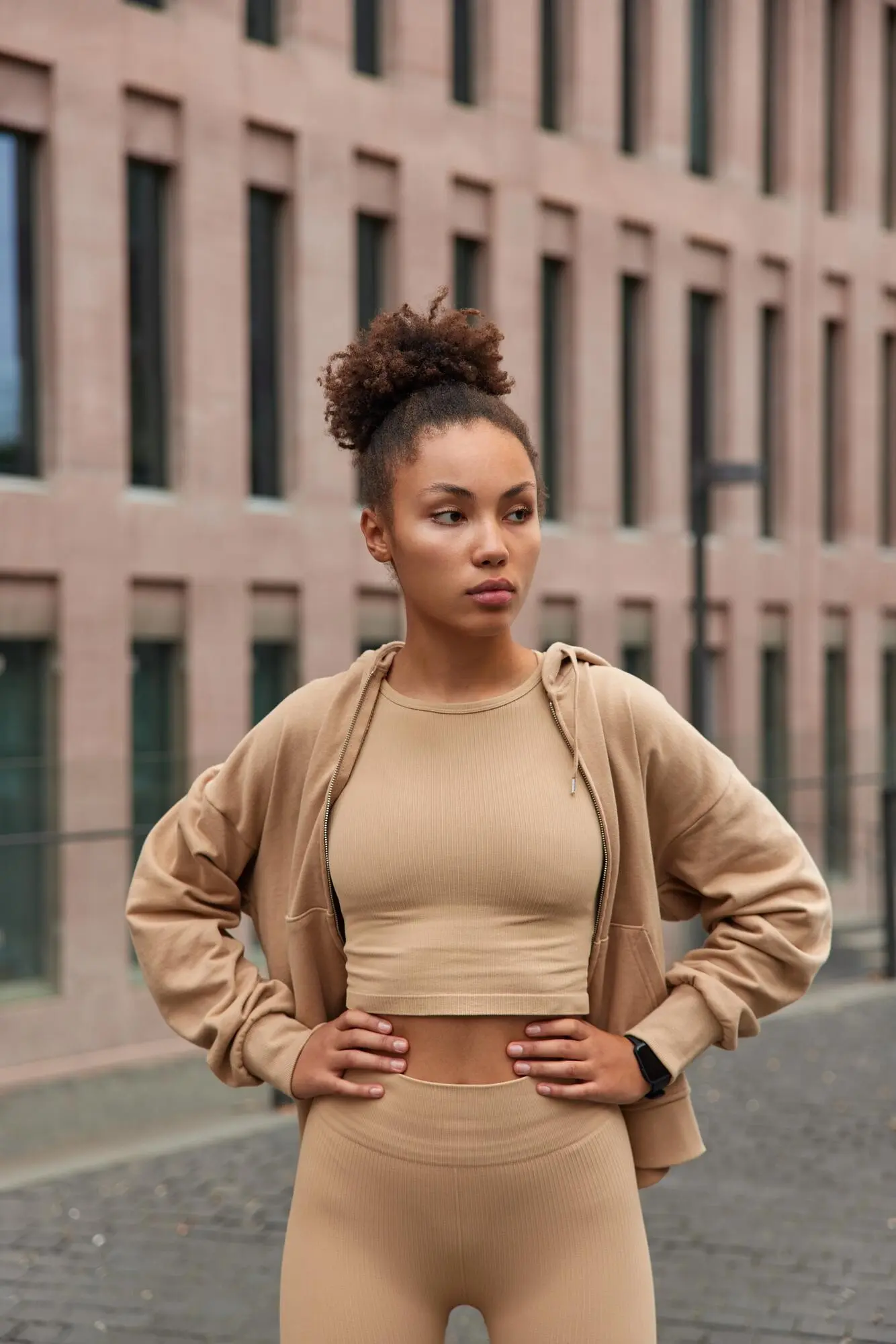
We logged weeks of flows in coastal fog, dry mountain air, and summer humidity. Organic cotton tanks excelled in gentler practices, while TENCEL Lyocell shone in sweaty transitions and travel days. Recycled nylon panels aided abrasion resistance on bike commutes without raising heat. Tell us where your gear thrives or struggles, which seams chafe after long holds, and how specific weaves perform so future iterations genuinely meet life beyond the studio mirrors.

Durability Logs and Transparency Wins
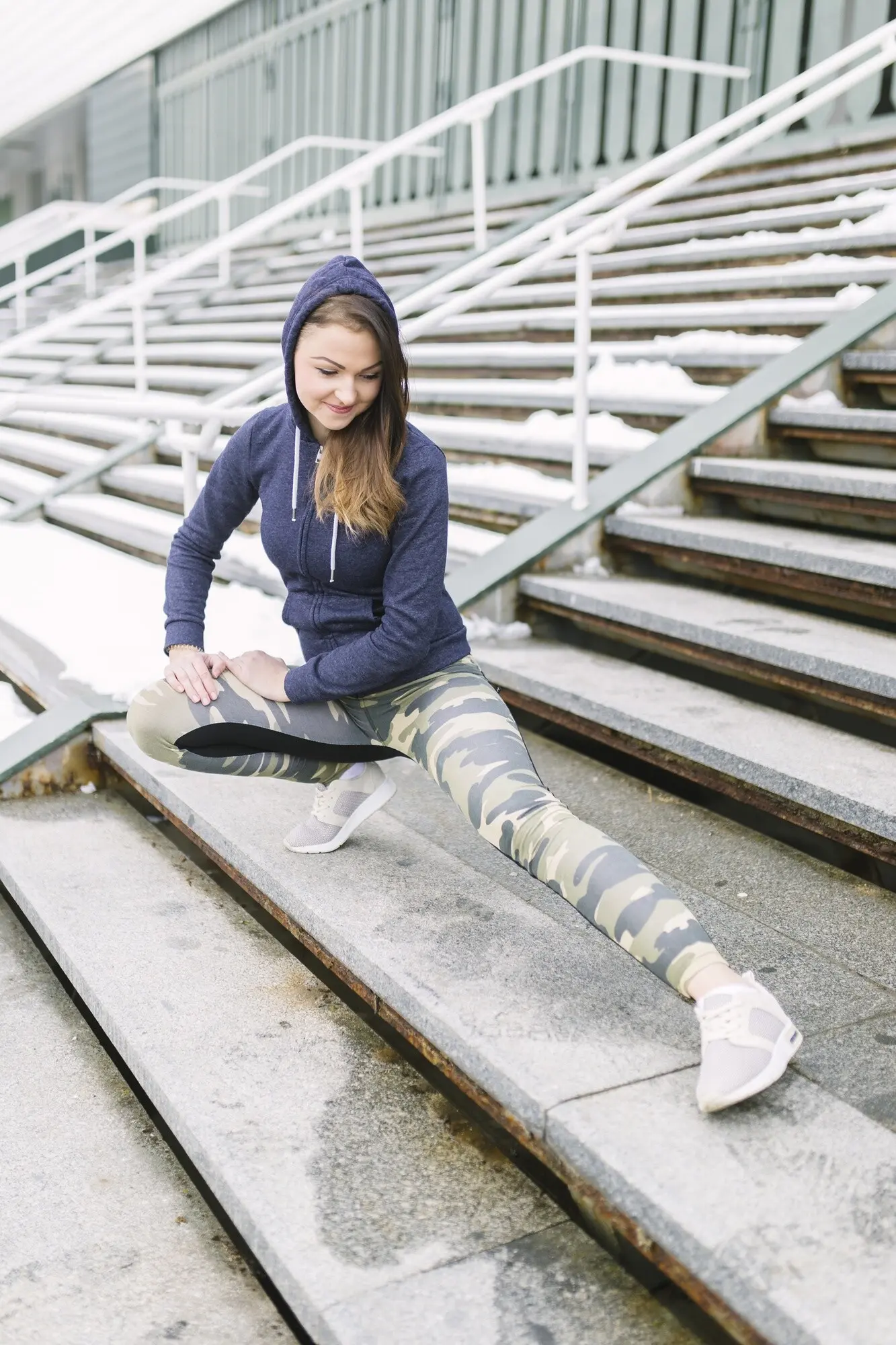
After thirty washes at cool settings, recovery remained strong in blends with restrained elastane, and colorfastness held on low-impact dyed pieces. Brands sharing mill partners and wastewater data earned our repeat purchases. We noted fewer microfibers when wash bags and slower spins were used. Add your observations—pilling rates, waistband resilience, knee sheen—so we can collectively map which fabrics deliver long life and verify that certification claims endure in everyday reality.

Join the Conversation and Share Your Staples

Post your go-to combinations—perhaps hemp joggers with a TENCEL cardigan for travel days or recycled nylon leggings paired with an organic cotton crop for dynamic classes. Ask questions about labels, care routines, or fit. Subscribe for honest field notes, capsule checklists, and repair tutorials. Your stories steer future testing, spotlight worthy makers, and help newcomers build confidence. Together we can refine choices that honor bodies, budgets, and the living world we move within.
Torakavipexitunokentotavo
Privacy Overview

This website uses cookies so that we can provide you with the best user experience possible. Cookie information is stored in your browser and performs functions such as recognising you when you return to our website and helping our team to understand which sections of the website you find most interesting and useful.