Your Mat, Your Microclimate

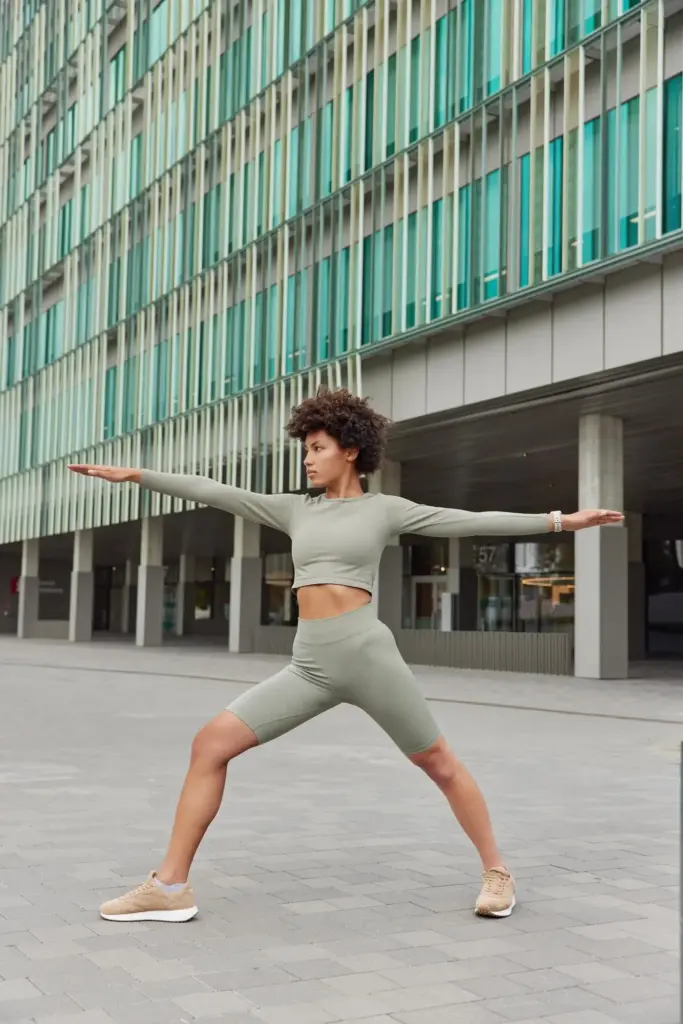
Today we dive into layering strategies for year-round yoga outfits, shaping a wearable microclimate that supports breath, movement, and recovery across shifting seasons. From crisp dawn sun salutations outdoors to steamy studio vinyasa, learn how base, mid, and outer pieces cooperate so you feel centered, dry, and confident. Expect practical fabric guidance, seasonal checklists, and lived-in anecdotes that make adjustments intuitive. Share your favorite combinations in the comments and help others fine-tune comfort without sacrificing style, grace, or mindful alignment.

Second Skin Fabric Choices

Merino, bamboo-viscose blends, and recycled polyester each solve different problems. Merino regulates temperature across chilly porches and warm studios while resisting odor; bamboo feels luxuriously soft yet can absorb more moisture; recycled polyester dries fast and holds shape. Blend strategically: a merino-poly mix balances thermoregulation and durability. Watch for knit direction and recovery, because overstretched leggings creep and distract. Aim for UPF in sunny outdoor practices, and test squat-proof confidence under bright light before trusting your new second skin in class.

Fit, Seams, and Chafe Control

Flatlock seams, bonded edges, and discreet gussets turn long holds into calm explorations instead of friction battles. A high-rise waistband that hugs without digging steadies pranayama and inversions, while longer hem tanks prevent mid-flow tugging. If you practice heated power sessions, avoid cotton-heavy blends that retain moisture against sensitive areas. Look for tagless labels and paneling that follows muscle lines, not arbitrary style lines. After a coastal run-to-studio combo, I learned that one rough seam can overwhelm the sweetest savasana.

Mid-Layers That Move With You

Mid-layers bridge the gap between warm-up and peak heat, shielding you during early breaths and peeling away as the furnace rises. Think featherlight fleece, airy wraps, and ribbed long-sleeves that trap just enough warmth without stifling. The secret is porous structure: waffle knits create tiny air pockets, brushed jerseys hug softly, and mesh panels vent. Practice removing a mid-layer mid-vinyasa without pausing your flow; slick interiors and generous armholes help. Keep one near your mat for post-class chills and mindful cooldowns.

Outer Protection Without the Bulk

When wind, drizzle, or dawn chill threatens intention, a well-chosen outer layer protects without smothering breath. Seek featherweight shells with vented yokes, two-way zippers, and just enough room for a mid-layer underneath. Drop-tail hems guard against bench dew; soft, quiet fabrics avoid crunchy distractions during slow flows. Reflective details keep you visible during early commutes, yet tuck away stylishly. If clouds clear mid-practice, the piece should pack into a pocket, clip to a tote, and vanish until needed again.

Wind and Rain Readiness

A durable water-repellent finish sheds passing mist during park meditations, while underarm eyelets or back vents release steam. Look for taped seams on shoulders if you walk to class regularly, yet avoid heavy membranes that trap heat during transitions. Brimmed hoods preserve peripheral vision for safe crossings and quick glances. On blustery mornings, elastic hem cinches stop drafts that break concentration. The right protection feels like a respectful guardian: present when invited, invisible when your inner fire takes over.

Packability and Pockets

If an outer layer cannot disappear, it will become a burden you avoid. Favor jackets that compress into their own chest pocket, then clip to your mat strap. Interior slip pockets cradle phone and keys away from asana pressure points. Double-check pocket placement by lying supine and twisting; nothing should jab ribs or spine. A light, smooth liner glides over softer mid-layers without grabbing. In unpredictable climates, effortless stow-and-go turns uncertainty into freedom rather than nagging second guesses.

Safety and Visibility

Discreet reflective piping or micro-dots shine when headlights pass, yet read subtle under café lights. If you practice predawn or dusk, prioritize 360-degree visibility without resorting to construction-site vibes. Clip-on lights fit zipper garages or hem loops without swinging into side bends. Consider audible fabrics sparingly; quietness fosters calm. Pair visibility cues with confident movement and aware breath, and your walk to class becomes a mindful journey rather than a rushed commute. Share your visibility hacks so others feel safer too.

The Seasonal Playbook

Small, intentional adjustments help outfits serve in deep winter, height-of-summer heat, and everything between. Think in modular units: base for moisture, mid for warmth, outer for protection. Rotate fiber weights, sleeve lengths, and venting. Create personal cues, like hand warmth or neck draft, that signal a quick swap. Keep a soft hat or cooling towel nearby, and you will never negotiate with the weather again. The goal is not toughness; it is steadiness, adaptability, and unbroken attention.

Smart Fabrics and Care

Performance depends on fibers and how you treat them. Odor-resistant merino, quick-dry polyester, and soft modal each bring gifts, but wash habits decide longevity. Cold water protects elastane; delicates bags shield straps and tiny toggles. Skip fabric softeners that block wicking channels and cause cling. Line-dry to preserve rebound and reduce energy use. When pilling appears, a gentle comb can refresh texture. Caring intentionally saves money, reduces waste, and keeps your favorite layers ready the moment inspiration whispers, now.

Fiber Science in Motion

Look for yarns engineered with capillary pathways that move moisture horizontally before it evaporates. Some knits alternate hydrophobic and hydrophilic threads, creating a push-pull effect that stabilizes skin temperature. Brushed interiors trap tiny air pockets, increasing warmth with little weight. Elastane percentages above comfort thresholds can feel compressive; test mobility in deep lunges. When labels mention recycled content, check certifications and feel; quality should remain soft and resilient. Science here is not abstract—it is the breathability you feel in crescent pose.

Care That Extends Life

Turn garments inside out, close zips, and use mild detergent to guard color and handfeel. Cold gentle cycles protect fibers that deliver stretch during binds and backbends. Avoid dryers when possible; heat fatigues elastic memory. If you must machine-dry, choose low and brief, then finish with air. Mend small snags immediately, reinforcing rather than discarding. Place microfibre-catching bags when washing synthetics to reduce shedding. These rituals create reliability: the comfort of reaching for pieces that still feel new after countless practices.

Sustainability and Impact

Choose fewer, better layers that handle many roles, and you lower environmental impact while upgrading daily ease. Seek repair-friendly construction, modular systems, and timeless cuts. Preloved marketplaces keep excellent gear alive; swaps within your studio build community and reduce waste. Wash less, air more, and spot-clean where possible. Recycled fibers matter, but longevity matters more. When retiring items, donate thoughtfully or repurpose as cleaning cloths. Share sustainable wins with us, and we will compile a living guide that evolves with your practice.

Personalization and Practice

Layering becomes powerful when it reflects your rhythms, not a mannequin’s. Track how you feel after ten minutes, thirty minutes, and final rest; adjust garments to support those checkpoints. Body heat, skin sensitivity, and preferred silhouettes vary widely. Build combinations for morning calm, lunchtime fire, and evening restoration. Add small comforts like wrist warmers or cooling bands as needed. Invite feedback from teachers and friends watching your alignment. Conversations refine choices faster than guesswork and transform clothing into caring companions.

Build a Capsule Kit

Create a tight rotation: two reliable base sets, one light and one warmer mid-layer, plus a packable shell. Add a shawl or shrug that dresses up errands. Choose a unified color palette so pieces mix effortlessly. Store extras in a breathable tote near your mat for spontaneous class invites. Track which combos perform during different studios and weather. A capsule reduces morning friction, honors your budget, and unlocks that spacious feeling when preparation aligns with purpose and practice.

Test During Different Flows

A set that shines in yin may fail during power. Simulate sweat by holding chair pose longer, then check cling, transparency, and waistband stability. For inversions, ensure tops stay put without aggressive compression. In heated rooms, confirm zips and snaps remain cool to the touch. Take a short outdoor walk before and after class to evaluate chill recovery. Bring a notebook or phone note and record sensations. Small experiments today become automatic wisdom tomorrow, so practice curiosity like any other asana.
Torakavipexitunokentotavo
Privacy Overview

This website uses cookies so that we can provide you with the best user experience possible. Cookie information is stored in your browser and performs functions such as recognising you when you return to our website and helping our team to understand which sections of the website you find most interesting and useful.